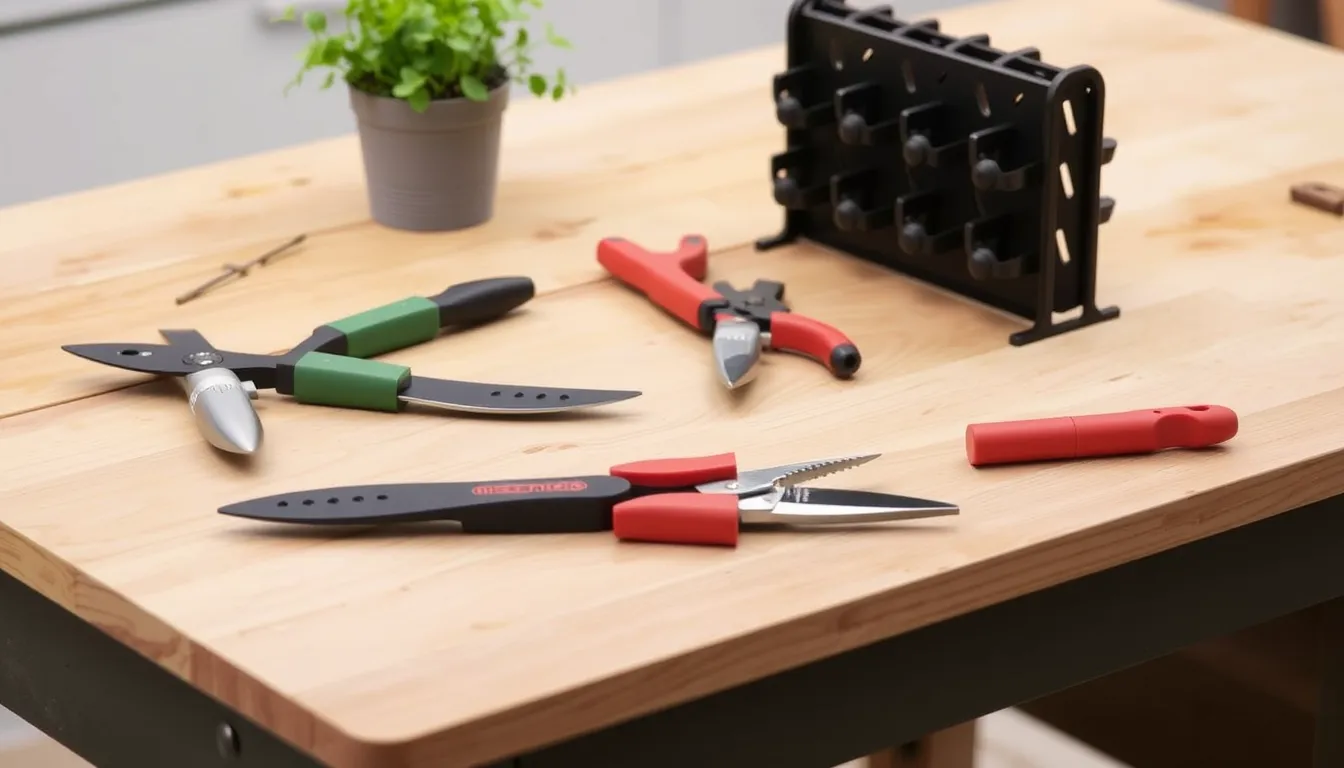
This guide is for anyone with a modest garden space who feels overwhelmed by the sheer number of tools on the market. Whether you’re just starting out or looking to trim down an existing collection, you’ll learn how to pick hand tools that are multi‑purpose, ergonomic, and compact enough to fit into limited storage.
Follow the step‑by‑step advice to evaluate quality, choose foldable or vertical‑storage options, and set up a simple system that keeps your yard tidy without breaking the bank. You’ll finish with a functional kit that lets you tackle the essential tasks confidently.
Identify the Core Tasks in Your Small Yard
When learning How to Choose Garden Tools for a Small Yard, the first step is to map out the maintenance activities you’ll perform most often. By ranking these tasks by frequency, you can spot the hand tools that will see the most use and avoid buying items that sit idle.
- Weeding – Typically a weekly or bi‑weekly chore in a small yard; it demands a sharp, ergonomic hand trowel or a multi‑purpose weed puller.
- Pruning – Usually needed every 2–3 weeks during the growing season; a compact, foldable pruning shear covers most branches.
- Planting – Occurs seasonally, often once or twice a year; a versatile hand spade or planting fork handles seed‑beds, containers, and raised beds.
- Mulching – Performed a few times a year to retain moisture; a small, sturdy rake or a multi‑purpose scoop makes spreading easy.
Ranked by how often they arise, the list shows that weeding and pruning dominate your routine. Prioritise ergonomic, compact hand tools that can serve both tasks—such as a multi‑purpose trowel with a built‑in weed‑remover edge—so the remaining items can stay compact or be stored vertically when not in use.
Select Multi‑Purpose Hand Tools That Maximize Utility
When learning How to Choose Garden Tools for a Small Yard, start by looking for hand tools that combine two or more functions. A pruning‑saw with a built‑in lopper lets you trim branches and cut thicker stems without swapping tools, keeping the kit compact and reducing the need for separate storage.
Another space‑saving option is a trowel that doubles as a cultivator. Its flat, serrated edge loosens soil while the scoop side plants seedlings, so you can move from digging to aerating without reaching for another implement. Choose a model with an ergonomic grip to minimize hand fatigue during extended use.
A hand fork that works as a weeder offers a similar benefit. The forked tines break up compacted soil, while the narrower tip can be inserted between rows to pull weeds out cleanly. Because it serves both tasks, it eliminates the need for a separate weeder and a larger garden fork.
- Look for sturdy, rust‑resistant steel and replaceable blades to keep maintenance simple.
- Prefer tools with a fold‑away or detachable handle so they fit easily on a vertical storage rack.
- Test the weight and balance; a well‑balanced tool feels lighter and stays ergonomic in tight spaces.
Choose Compact or Foldable Tools for Easy Storage
Space in a small yard often means limited storage areas like balconies, closets, or wall hooks. Standard-length tools can be unwieldy and difficult to store vertically. Collapsible handles allow you to shorten the overall length of a tool when not in use. A pruning saw with a retractable handle, for example, fits into a narrow drawer or hangs flat against a wall, maximizing vertical storage efficiency without sacrificing cutting power when extended.
Telescoping poles are another essential for reaching high branches or distant corners without needing a ladder. When lowered, these poles compact significantly, allowing them to stand upright in a corner or lie flat in a shed. This design eliminates the need for separate shorter and longer tools, reducing clutter. Look for smooth operation and secure locking mechanisms to ensure the pole stays extended during use.
Fold-away designs offer versatility for specific tasks. A folding trowel or a garden knife with a retractable blade can be tucked into a pocket or a small pouch. These compact units are ideal for quick weeding or container gardening where carrying a bulky kit is impractical. By prioritizing tools that collapse, extend, or fold, you create a toolkit that adapts to your available space. This approach keeps your maintenance routine organized and prevents the accumulation of oversized items that crowd your workspace.
Evaluate Quality, Ergonomics, and Cost for Small‑Scale Use
When assessing hand tools for a small yard, prioritize materials that balance durability with weight. For structural components like tines or blades, steel offers superior longevity and resistance to bending under load. Aluminum parts are significantly lighter, reducing arm fatigue during extended maintenance sessions, but they may deform if subjected to excessive force. A hybrid approach often works best: steel for the working edges and aluminum or composite materials for the handles to minimize overall mass without sacrificing strength.
Ergonomics directly impact your willingness to perform regular upkeep. Look for ergonomic grips that fit naturally in the palm, preventing blisters and hand strain. The handle diameter should allow for a secure hold even when hands are damp from soil or watering. Test the tool’s balance; if the head feels heavy, it will tire you out quickly, discouraging consistent care. A well-balanced tool requires less effort to control, making precise cuts and clean weeding easier.
Cost assessment for small-scale use should focus on value rather than brand prestige. You do not need professional-grade equipment for a modest garden. Instead, invest in tools with replaceable parts, such as interchangeable blades or riveted handles, which extend the lifespan of the item. Avoid disposable, low-cost options that break after a single season. By selecting durable, comfortable, and appropriately weighted tools, you ensure your kit remains functional and enjoyable to use for years, preventing the need for frequent replacements that clutter your storage space.
Set Up a Simple, Space‑Efficient Tool Storage System
Once your kit is curated, organization becomes critical to maintaining a clutter-free workflow. For limited square footage, vertical storage is the most effective strategy. Wall-mounted racks and pegboards transform unused wall space into an accessible display, keeping hand tools visible and within easy reach. This approach prevents tools from being buried in boxes or lost in sheds, reducing the time spent searching for the right implement before starting work.
For items that do not fit on walls, consider hanging baskets or portable caddies. A sturdy caddy allows you to move your entire setup to different areas of the yard, minimizing trips back and forth. When selecting these containers, look for open designs that allow air circulation, which is essential for the maintenance of metal parts to prevent rust accumulation.
- Pegboards: Ideal for hanging trowels, pruners, and small shears by their handles.
- Wall Racks: Best for longer tools like rakes or hoes that need to hang vertically.
- Portable Caddies: Useful for grouping frequently used items for quick access.
Designate a specific spot for each tool to build a habit of returning items immediately after use. This simple system ensures your compact setup remains efficient and easy to manage, supporting long-term usability without requiring extensive floor space.
Frequently Asked Questions
Do I need a separate spade for a small yard? A single, well‑designed spade can handle most digging tasks in a compact garden. Choose a multi‑purpose spade with a slightly curved blade for planting, edging, and light soil turnover. If you also need to break up hard ground, a small, fold‑able digging fork can complement the spade without taking extra space.
How often should I sharpen hand tools? Keep edges sharp enough to cut cleanly; a dull tool requires more force and can damage plants. As a rule of thumb, inspect blades after every 10‑15 uses and touch‑up any nicks. Full sharpening every few months—or whenever you notice resistance—keeps performance high without excessive maintenance.
Can I use a single tool for weeding and pruning? Yes, a compact, dual‑purpose pruner with a narrow blade works for both tasks. Look for an ergonomic handle that lets you switch grips comfortably, reducing the need for separate weeder and cutter.
Is a tool caddy necessary? Not always. A simple wall‑mounted pegboard or a small bucket can serve the same purpose if you keep the most‑used items within arm’s reach. The key is consistency: return each tool to its designated spot.
These quick answers help you apply the principles of How to Choose Garden Tools for a Small Yard without over‑complicating your kit.